Upholstery Cleaning in Your Home: How to Keep Sofas, Chairs, and Fabric Furniture Looking Fresh
Upholstery cleaning in the modern home is more than a cosmetic task. It helps protect your furniture, improve indoor comfort, and extend the life of the pieces you use every day. Sofas, armchairs, ottomans, dining seats, and other fabric-covered items collect dust, oils, crumbs, pet hair, pollen, and spills over time. Even when furniture looks clean on the surface, hidden dirt can build up deep in the fibers. That is why regular upholstery cleaning matters for both appearance and hygiene.
Many homeowners search for upholstery cleaning solutions when they notice stains, odors, or dull fabric. However, the best results often come from understanding the fabric type, cleaning method, and maintenance schedule. Whether you are caring for a linen loveseat, microfiber recliner, leather couch, or upholstered dining chair, the right approach can make a huge difference. With proper cleaning, your furniture can look brighter, feel fresher, and last much longer.
In this article, we will explore practical upholstery cleaning tips, stain-removal advice, fabric care ideas, and professional service benefits. You will also learn how to maintain furniture between deep cleans, what cleaning mistakes to avoid, and how to decide when to call in experts. If you want cleaner, healthier, and longer-lasting furniture, keep reading. Book your service now if your upholstery already needs a deeper refresh.
Why Upholstery Cleaning Matters for Every Home
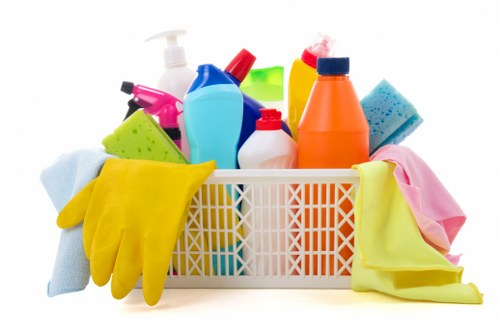
Upholstery cleaning in busy households has a direct impact on comfort and cleanliness. Fabric furniture acts like a filter, trapping airborne dust and everyday debris. Over time, these particles settle into the padding and seams, where vacuuming alone may not reach them. This can make rooms feel less fresh and may even trigger allergies in sensitive individuals. Regular furniture cleaning helps reduce these issues while keeping the space inviting.
Another reason upholstery cleaning is so valuable is that it protects your investment. Sofas and chairs are not inexpensive purchases, and replacing them too often can be costly. By removing dirt before it wears down the fibers, you preserve the texture, color, and shape of the material. Professional upholstery cleaning can also help maintain the value of quality furniture, especially if you plan to keep pieces for many years.
There is also the visual benefit. Clean upholstery instantly improves the look of a room. Faded spots, spills, and odors can make even a stylish interior feel neglected. When upholstery cleaning is done correctly, the result is a brighter, more polished living space. Fresh furniture often changes the whole mood of a home.
Understanding Different Upholstery Fabrics
Not every fabric responds to cleaning in the same way. Before starting upholstery cleaning, it helps to identify the material. Common upholstery fabrics include cotton, linen, microfiber, polyester blends, wool, velvet, synthetic mixes, and leather. Each one has a different level of durability, stain resistance, and sensitivity to moisture or heat.
For example, microfiber is generally durable and easy to maintain, while velvet requires a more delicate touch. Leather does not absorb liquids the same way fabric does, but it still needs special conditioning and cleaning products. If you use the wrong method on a delicate textile, you may cause shrinking, fading, or water marks. That is why understanding the fabric label is one of the most important parts of upholstery care.
Furniture tags often include cleaning codes such as W, S, WS, or X. These codes can help determine whether a water-based cleaner, solvent cleaner, or professional-only service is appropriate. Upholstery cleaning in accordance with the manufacturer’s instructions is always the safest path. When in doubt, test any cleaning product on a hidden area before applying it widely.
What the Common Cleaning Codes Mean

To make upholstery cleaning easier, it helps to know what the cleaning codes on your furniture tag mean. These small labels can prevent costly mistakes and help you choose the right products. Most people overlook them, but they provide useful guidance for safe cleaning.
- W - Water-based cleaners are safe to use.
- S - Use only solvent-based cleaners.
- WS - Either water-based or solvent-based products may be used.
- X - Vacuum only; no liquid cleaners.
If your furniture has an X code, do not attempt a wet cleaning method at home. Instead, focus on vacuuming and consider professional upholstery cleaning for stains or odors. Using the wrong solution can damage the fabric or cause permanent marks. Paying attention to these labels saves time, money, and stress.
For households with children or pets, a fabric that accepts regular cleaning is often more practical. Stain-resistant materials and removable cushion covers can also make upkeep much easier. Even so, every fabric benefits from routine care and periodic deep upholstery cleaning.
Signs Your Furniture Needs Upholstery Cleaning
It is not always obvious when upholstery cleaning is overdue. Some signs are visible, while others are noticeable only when you sit down or enter the room. A piece of furniture may look acceptable at first glance but still hold dirt, oil, and odors within the fibers. Recognizing the warning signs early can help you act before the problem becomes harder to fix.
Here are some of the most common signs that your upholstery needs attention:
- Visible stains or darkened armrests
- Unpleasant smells from spills, pets, or moisture
- Dust buildup on seams and cushions
- Dull or faded fabric appearance
- Allergy symptoms that worsen indoors
If you notice any of these signs, it may be time to schedule a deeper upholstery cleaning session. Waiting too long can allow dirt to settle deeper into the padding, making cleaning more difficult. Timely cleaning keeps furniture looking newer for longer and helps preserve comfort at home.
How to Clean Upholstery at Home Safely
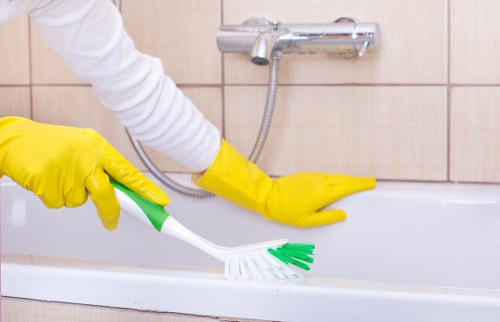
Basic upholstery cleaning in the home can often be handled with simple tools and a careful approach. Start by vacuuming the entire piece of furniture, including cushions, seams, and crevices. A brush attachment works well for lifting dust and pet hair from the surface. This first step removes loose debris and prepares the fabric for deeper treatment.
Next, spot-clean stains as soon as possible. Blot the area with a clean, dry cloth rather than rubbing, because rubbing may spread the stain or push it further into the fibers. Use a cleaner that matches the fabric code and always test it in a hidden area first. A mild solution of water and a small amount of gentle detergent can work for some fabrics, but not all.
After spot treatment, allow the upholstery to dry fully. Good airflow helps speed drying and prevents musty odors. Open windows if weather permits or use fans to move air around the room. Proper drying is just as important as cleaning itself.
Simple Home Cleaning Steps
- Vacuum thoroughly to remove surface dust and crumbs.
- Check the fabric code before using any liquid.
- Blot stains immediately with a clean cloth.
- Use minimal moisture to avoid over-wetting.
- Let the fabric dry completely before using the furniture again.
Home cleaning works well for routine maintenance, but deeper stains or odors may need a more advanced upholstery cleaning method. That is when professional help can be especially useful.
Common Upholstery Stains and How They Are Treated
Different stains require different removal methods. Food spills, grease, ink, pet accidents, and drink stains each behave differently once they contact fabric. The sooner you address them, the better your chances of complete removal. With upholstery cleaning, speed and the right technique often matter more than the amount of product used.
For example, liquid stains such as coffee or juice should be blotted immediately with a dry towel. Grease stains may need an absorbent material or a suitable solvent cleaner. Pet stains often require odor-neutralizing treatment in addition to stain removal. Ink can be particularly stubborn and may need specialized products or professional upholstery cleaning.
It is important not to oversaturate the fabric while trying to remove a stain. Too much water can leave rings, weaken the padding, or create mold risks inside the cushions. A careful, targeted approach gives better results and protects the furniture. Act fast, blot gently, and use the right product to improve your chances of success.
Typical Stain Challenges
- Coffee and tea: Can leave brown marks if not treated quickly.
- Grease and oil: Often need absorbent treatment before cleaning.
- Wine and juice: May set fast and require immediate blotting.
- Pet accidents: Often need odor treatment in addition to stain removal.
- Ink: Usually difficult and may require expert care.
Benefits of Professional Upholstery Cleaning
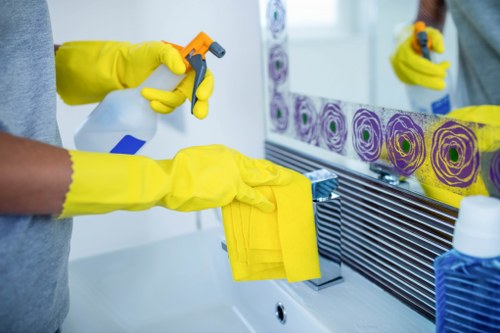
While home care is useful, professional upholstery cleaning offers a deeper level of treatment. Specialists use equipment and solutions designed to extract embedded dirt, lift stubborn stains, and refresh fabric more thoroughly than standard spot cleaning. This can be especially helpful for large furniture pieces, delicate materials, or households with heavy daily use.
One major advantage is the deep extraction process. Professional machines can pull grime from beneath the surface, where normal cleaning tools cannot reach. This is especially valuable for removing allergens, bacteria, and odors that collect over time. Professional upholstery cleaning in high-traffic homes can noticeably improve freshness and comfort.
Professionals also understand fabric types, cleaning codes, and safe drying methods. That knowledge reduces the risk of damage and helps protect the structure of the furniture. In many cases, a professional treatment can revive tired-looking fabric and restore a more vibrant appearance. If your sofa or chairs have not been deeply cleaned in a while, this may be the most effective solution.
How Often Should Upholstery Be Cleaned?
The ideal upholstery cleaning schedule depends on how the furniture is used. A formal living room chair that is rarely touched may only need occasional attention, while a family sofa used every day may require frequent cleaning. Homes with pets, children, or allergy concerns usually benefit from more regular maintenance.
As a general rule, vacuum upholstered furniture weekly and perform spot cleaning as needed. A deeper upholstery cleaning may be appropriate every 6 to 12 months, depending on usage and fabric type. If spills happen often or the room sees heavy traffic, you may need professional cleaning more frequently. Consistent care prevents buildup and makes each cleaning easier.
Seasonal cleaning can also be a smart approach. For example, many people like to refresh furniture before holidays, after winter, or when preparing to host guests. A clean sofa and chair set can make the entire home feel more polished. Routine maintenance is simpler and less expensive than fixing heavily soiled upholstery later.
Upholstery Maintenance Tips Between Cleanings
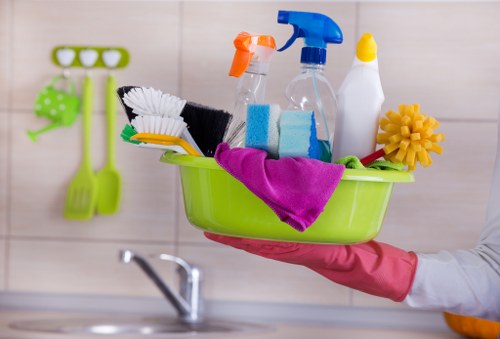
Upholstery cleaning becomes more effective when paired with everyday maintenance. Simple habits can keep your furniture in better condition and reduce the need for emergency stain removal. These small actions take little time but make a big difference over the long term.
Start by vacuuming regularly, especially along seams, under cushions, and around arms and backs. Rotate cushions when possible so wear is distributed more evenly. Keep food and drinks away from high-risk areas if you want to reduce spills. Pet owners may want to place washable throws on favorite lounging spots to protect the fabric underneath.
Sunlight is another factor to watch. Direct sunlight can fade upholstery over time, especially on natural fabrics. Using curtains, blinds, or rearranging furniture can help reduce exposure. Small daily habits protect the results of professional upholstery cleaning and help furniture look newer for longer.
Choosing the Right Upholstery Cleaning Products
Not all cleaning products are suitable for upholstery. Some household sprays are too harsh, while others may contain dyes, bleach, or strong solvents that can damage fabric. When selecting a product, look for one that matches your fabric type and the problem you are trying to solve. For example, a light fabric freshener may help with odors, while a targeted stain remover may be needed for spots.
Eco-friendly upholstery cleaning products are increasingly popular because they are designed to be gentler on both fabric and indoor air quality. Many homeowners prefer low-odor or non-toxic options, especially in homes with children and pets. That said, the most effective product is not always the strongest one. The key is compatibility with the material and correct application.
Always follow the label instructions carefully. Using more product than recommended does not improve the outcome and may actually leave residue behind. Residue can attract new dirt and cause the fabric to look dirty again sooner. Smart product selection supports better cleaning results and longer-lasting freshness.
What to Look For in a Safe Cleaner
- Matches the fabric code on the furniture tag
- Leaves minimal residue
- Dries without sticky buildup
- Has no harsh bleaching ingredients unless approved for the fabric
- Is suitable for the stain or odor you need to treat
Why Upholstery Cleaning Improves Indoor Air Quality
Upholstery cleaning in the home does more than make furniture look attractive. It can also support healthier indoor air by reducing dust, pollen, dander, and other particles trapped in fabric. Since upholstery acts like a soft surface collector, it may hold onto pollutants that circulate through the room each day. Regular cleaning helps remove these particles before they are stirred up again.
This benefit is especially important for households with allergies, asthma, or sensitivity to odors. When furniture is cleaner, rooms can feel lighter and more pleasant. Fresh upholstery may also reduce the stale smell that develops in closed spaces over time. Cleaner furniture often contributes to a cleaner-feeling home overall.
If you want to improve your interior environment, upholstery care should be part of your regular cleaning routine. Combine vacuuming, spot treatment, airing out rooms, and deep cleaning when needed. These steps work together to keep both surfaces and air feeling fresher.
Common Mistakes to Avoid During Upholstery Cleaning
Even well-intentioned cleaning efforts can go wrong if you use the wrong method. One of the biggest mistakes is applying too much liquid. Over-wetting may lead to water rings, fabric shrinkage, or mildew in the padding. Another common error is scrubbing aggressively, which can damage fibers and spread the stain.
Using random household cleaners is another risky habit. Products meant for hard surfaces are not always suitable for fabric. Bleach, ammonia, and strong degreasers may discolor upholstery or weaken it over time. Skipping the fabric code and failing to test products first are also frequent mistakes that can cause avoidable damage.
To protect your furniture, always clean patiently and carefully. When a stain is large, old, or unusual, it is better to seek professional upholstery cleaning than to guess. Smart cleaning is gentle, targeted, and fabric-specific.
Quick Mistakes Checklist
- Do not soak the fabric excessively.
- Do not scrub stains with force.
- Do not ignore the cleaning code.
- Do not use unknown cleaners without testing.
- Do not place cushions back before they are fully dry.
When to Schedule Professional Upholstery Cleaning
There are times when DIY methods are not enough. If your furniture has stubborn stains, lingering odors, heavy traffic wear, or delicate fabric, professional upholstery cleaning is often the best choice. Experts can assess the material, choose the right method, and restore the piece more safely and effectively.
Professional help is also useful when you are preparing for a move, hosting an event, or refreshing a room after years of use. A thoroughly cleaned sofa or armchair can instantly upgrade the appearance of a space. If you have spent time and money on quality furniture, it makes sense to protect it with proper care.
For many homeowners, the most practical approach is to combine regular home maintenance with periodic professional service. This balance keeps furniture looking good and helps extend its usable life. Contact us today if your upholstery needs deeper cleaning, odor removal, or stain treatment.
Final Thoughts on Upholstery Cleaning
Upholstery cleaning is one of the simplest ways to improve the look, feel, and hygiene of your home. From daily vacuuming to stain treatment and periodic professional care, each step helps preserve the comfort and beauty of your furniture. Clean upholstery contributes to a fresher living space, better indoor air, and a more welcoming atmosphere for family and guests.
By understanding fabric types, following cleaning codes, and using the right products, you can avoid common damage and keep your furniture in strong condition. Whether your goal is to remove a recent spill or refresh a well-used sofa, consistency is the key. Upholstery care does not have to be complicated to be effective. It just needs to be done thoughtfully.
If your chairs, couches, or other fabric furnishings are overdue for attention, now is the perfect time to act. Book your service now and give your furniture the cleaning it deserves. Clean upholstery can make a noticeable difference in the way your entire home looks and feels.