Insurance and Safety
 Our approach to insurance and safety is designed to protect people, property, and operations at every stage of a project. Whether work is carried out in a busy public setting or on a private site, careful planning and responsible practices help reduce avoidable risk. We place strong emphasis on public liability insurance, practical staff training, appropriate PPE, and a consistent risk assessment process that supports safe working from start to finish.
Public liability insurance is an essential part of our protection framework. It provides cover where a third party may suffer injury or property damage connected to our activities. This gives clients added confidence that insurance and safety are being considered together, not as separate issues. By maintaining suitable cover, we reinforce our commitment to professionalism, accountability, and secure working arrangements across all environments.
 In addition to insurance cover, our team follows a structured training programme that supports safe decision-making and responsible behaviour on site. Staff training includes hazard awareness, correct equipment use, manual handling, emergency response awareness, and site-specific procedures. This ongoing development helps ensure that everyone understands their responsibilities and can contribute to a safer workplace. It also strengthens our broader insurance and safety policy by reducing the likelihood of incidents before they occur.
Training is not treated as a one-time event. It is refreshed regularly so staff remain aware of changing methods, new equipment, and updated safety expectations. Supervisors monitor performance and reinforce best practice where needed. By combining knowledge with practical experience, our workforce is better prepared to manage complex tasks while maintaining the standards required for effective insurance and safety management.
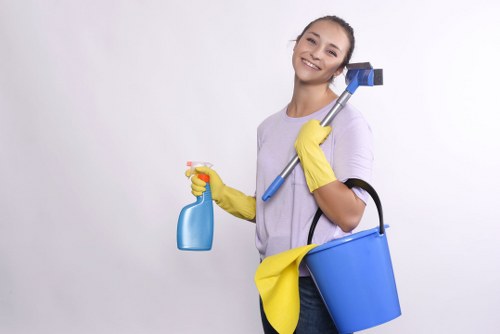
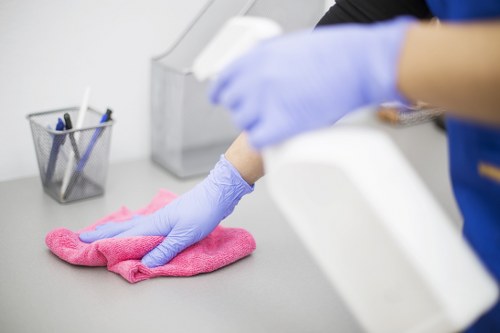
The use of PPE is another core part of our safety culture. Depending on the task and environment, this may include helmets, gloves, eye protection, high-visibility clothing, respiratory protection, hearing protection, or safety footwear. PPE is selected to suit specific risks rather than used as a generic requirement. Proper fitting, correct maintenance, and consistent use are all essential. In this way, personal protective equipment acts as a final barrier where hazards cannot be fully removed.
 Our risk assessment process is built on careful observation, communication, and control. Before work begins, potential hazards are identified and reviewed so suitable measures can be planned. These assessments consider the location, the nature of the task, equipment involved, weather conditions, and the presence of the public or other workers. This enables us to put practical controls in place and support a safer working environment.
Risk assessments are not static documents. They are reviewed whenever conditions change or new risks are introduced. If a task develops differently from expected, the assessment is updated and communicated to the team. This responsive approach helps keep insurance and safety procedures relevant and effective. It also encourages a culture in which staff remain alert, report concerns promptly, and work together to reduce exposure to unnecessary risk.
We also place emphasis on safe site behaviour and orderly working methods. Clear communication, good housekeeping, and sensible planning all contribute to safer outcomes. Tools and materials are stored correctly, access routes are kept clear, and work areas are monitored throughout the day. These simple but important habits support our wider safety framework and complement both training and PPE requirements.
 Another important element of our approach is incident prevention through constant review. Near misses, observations, and operational lessons are analysed so improvements can be made before a problem becomes serious. This process supports continuous improvement and helps refine our insurance and safety arrangements over time. By learning from experience, we strengthen controls and reduce the chance of repeated issues.
We understand that safe working depends on both preparation and discipline. That is why our procedures are designed to be practical, easy to follow, and aligned with the realities of the workplace. The combination of public liability insurance, staff training, PPE, and a robust risk assessment process provides a strong foundation for dependable service delivery. Each part works alongside the others to create a safer environment for employees, clients, visitors, and the public.
Our commitment to insurance and safety is reflected in every stage of work, from planning to completion. Staff are expected to follow established controls, use equipment properly, and remain aware of changing conditions. This disciplined approach supports compliance, reduces risk exposure, and helps maintain high standards of care. By treating safety as a shared responsibility, we build trust and deliver work with confidence.
 Ultimately, effective risk control is about prevention, preparation, and consistency. When insurance cover is in place, training is current, PPE is used correctly, and assessments are carried out thoroughly, the result is a safer and more reliable operation. Our insurance and safety commitment is therefore not just a policy, but a practical standard embedded in the way we work every day.