Sofa Cleaning: Freshness, Hygiene, and Long-Lasting Comfort for Every Home
Sofa cleaning is one of the most important parts of keeping a home fresh, healthy, and visually appealing. A sofa is more than just a piece of furniture; it is where families relax, guests gather, pets nap, and everyday life unfolds. Because it is used so often, it naturally collects dust, crumbs, stains, body oils, pet hair, and odours. Without regular sofa cleaning, even a stylish couch can start to look tired, feel less comfortable, and affect the overall atmosphere of your living space.
Many people underestimate how much a sofa influences indoor hygiene. Upholstery fibers can trap allergens, bacteria, and fine particles that may not be obvious at first glance. That is why professional sofa cleaning and consistent home maintenance are so valuable. Whether your couch is fabric, leather, suede, microfiber, or a blend of materials, the right cleaning approach can restore its appearance and extend its life. If you are searching for effective sofa cleaning that delivers visible results, this article explains everything you need to know.
From stain removal and deodorising to fabric protection and deep sanitisation, sofa cleaning offers practical benefits that go far beyond surface beauty. In the sections below, you will learn why regular upholstery cleaning matters, what methods work best, and how to keep your furniture in excellent condition for years. Book your service now if your sofa has seen better days and you want a cleaner, healthier home environment.
Why Sofa Cleaning Matters for Every Home

A clean sofa improves the look and feel of any room. It is often the central feature in a lounge, family room, or sitting area, so when upholstery is dirty, the whole space can appear neglected. Sofa cleaning helps remove visible marks and hidden buildup, making your furniture look brighter and more inviting.
Beyond appearance, sofa cleaning supports better indoor air quality. Dust mites, pollen, pet dander, and tiny debris can settle deep into fabric fibers. Each time someone sits down, those particles may be disturbed and released into the air. For households with children, pets, or allergy concerns, routine upholstery cleaning can make a noticeable difference.
There is also the issue of longevity. Upholstered furniture is an investment, and professional sofa cleaning can help protect that investment. Dirt acts like a fine abrasive, wearing down fibers over time. By removing grime regularly, you help preserve the texture, colour, and structure of the material.
Common Sofa Problems That Cleaning Can Solve

Sofas face many everyday challenges, and most of them are easier to handle when addressed early. Spills from drinks, food stains, pet accidents, and grease marks can settle quickly into the upholstery. The longer they remain, the harder they become to remove.
Another common issue is odour. Over time, sofas can absorb smells from cooking, pets, smoke, sweat, and general living activity. Even when the surface looks fine, a lingering smell may make the room feel less fresh. Sofa cleaning helps neutralise these odours rather than simply masking them.
Fading and dullness are also common concerns. Sun exposure, dirt buildup, and frequent use can make a once-vibrant sofa look tired. Deep sofa cleaning can revive the material and restore some of its original brightness. Strong cleaning results often come from the right method for the right fabric.
Stains
Stains are one of the main reasons people seek sofa cleaning. Coffee, tea, wine, sauces, ink, and makeup can all leave stubborn marks. Different stains require different treatments, and using the wrong product can make the issue worse.
Quick action matters. Blotting, not rubbing, is usually the first step. Professional upholstery cleaning services often use targeted stain treatments to break down residue without damaging the fabric.
Important tip: always test a cleaning solution on a hidden area first, especially on delicate materials.
Odours
Odour removal is a major part of effective sofa cleaning. Fabrics can trap unpleasant smells deep within the fibers, so surface sprays may only provide temporary relief. Deep cleaning helps lift the source of the odour rather than covering it up.
For pet-friendly homes or busy family spaces, deodorising treatments can make the sofa feel fresher and more comfortable. In many cases, a well-cleaned sofa changes the whole mood of the room.
Types of Sofa Materials and the Best Cleaning Approach
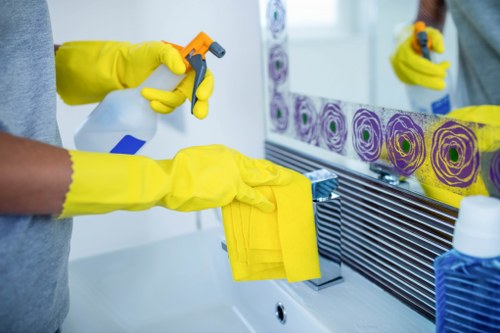
Not all sofas should be cleaned the same way. The material determines which products and methods are safe. Understanding your upholstery type is essential for effective sofa cleaning and helps prevent shrinkage, colour loss, or texture damage.
Fabric sofas are among the most common and can usually tolerate steam cleaning, hot water extraction, or dry cleaning methods depending on the manufacturer’s instructions. Fabric upholstery often benefits from deep cleaning because it absorbs dust and spills more readily than smoother surfaces.
Leather sofas need a gentler approach. They should be cleaned with leather-safe solutions and then conditioned to keep the material soft and prevent cracking. Avoid soaking leather with water or using harsh detergents, as these can cause long-term damage.
Microfiber, suede, and delicate fabrics
Microfiber sofas often respond well to light cleaning agents and careful brushing. Suede and other delicate materials require special attention and may need professional sofa cleaning to avoid visible marks or texture changes. When in doubt, expert upholstery care is the safest choice.
Professional Sofa Cleaning Methods Explained

Professional sofa cleaning services use different methods depending on the condition and material of the furniture. Each method has its own strengths, and the best results usually come from matching the process to the upholstery type and the level of soiling.
One common method is hot water extraction, often called steam cleaning. This process uses heated water and cleaning agents to loosen dirt deep in the fibers, then extracts the moisture along with debris. It is highly effective for fabric sofas and is popular for deep sanitisation.
Another option is dry cleaning, which uses minimal moisture and specialised solvents. This is useful for delicate materials or sofas that should not be saturated. Dry sofa cleaning is also beneficial when quick drying times are important.
Shampooing and low-moisture care
Some upholstery services use shampoo-based cleaning or low-moisture systems to refresh the sofa without over-wetting it. These methods are often suitable for certain fabrics and can be effective for regular maintenance. The right choice depends on fibre type, soil level, and drying considerations.
Professional cleaners often combine inspection, pre-treatment, spot removal, extraction, and deodorising. That layered approach helps address both visible dirt and hidden buildup. For many homes, this level of sofa cleaning provides a deeper and longer-lasting finish than standard at-home methods.
How Often Should Sofa Cleaning Be Done?

The ideal sofa cleaning schedule depends on usage, lifestyle, and household conditions. In a busy home with children and pets, upholstery may need deep cleaning more often than in a quiet household with minimal traffic. As a general rule, many sofas benefit from professional cleaning every 6 to 12 months.
If someone in the home has allergies, asthma, or sensitivity to dust, more frequent sofa cleaning may be helpful. Regular vacuuming and spot treatment between deep cleans can also keep the sofa in better condition. Homes with pets may require extra attention because fur, dander, and occasional accidents accumulate quickly.
Even when your sofa looks clean, hidden dirt can still build up. That is why scheduling routine upholstery care is a smart preventative step. It helps maintain comfort, hygiene, and appearance all year round.
DIY Sofa Cleaning Tips for Everyday Maintenance
While professional sofa cleaning delivers deep results, there are several things you can do at home to keep your furniture looking good between appointments. Regular care prevents buildup and makes each deep clean more effective.
Start with vacuuming. Use the upholstery attachment to remove crumbs, dust, pet hair, and loose debris from the cushions, seams, and crevices. This simple habit supports cleaner air and helps prevent dirt from settling deeper into the fabric.
Spot cleaning is another key step. When spills happen, act quickly. Blot the area gently with a clean cloth and use a mild fabric-safe cleaner if appropriate. Avoid over-wetting the upholstery, as too much moisture can spread stains or leave marks.
Simple maintenance checklist
- Vacuum weekly to remove surface debris
- Rotate cushions to even out wear
- Blot spills immediately, never rub aggressively
- Keep sofas away from direct sunlight when possible
- Use fabric protectors approved for your sofa material
When to Call a Professional Sofa Cleaning Service
Some situations are best left to trained specialists. If your sofa has deep stains, strong odours, water damage, or delicate fabric, professional sofa cleaning is usually the safest and most effective solution. Experts have access to commercial-grade equipment, tailored cleaning agents, and experience handling different upholstery types.
Professional cleaning is also a smart choice when you want a true deep clean. Surface-level methods may improve appearance temporarily, but they do not always remove embedded grime. A professional upholstery cleaner can address hidden dirt, restore freshness, and reduce wear caused by daily use.
If your sofa is expensive, antique, or custom-made, expert care is even more important. The wrong technique can lead to discolouration, shrinkage, or texture changes. With the right service, you get peace of mind and better results. Contact us today to keep your furniture looking its best.
Benefits of Regular Sofa Cleaning
Regular sofa cleaning delivers benefits that go beyond aesthetics. It supports cleaner living spaces, improves furniture longevity, and creates a more pleasant environment for family and guests alike.
- Improved hygiene: dirt, allergens, and bacteria are reduced.
- Better appearance: colours look fresher and fabrics appear brighter.
- Odour control: unpleasant smells are removed more effectively.
- Longer furniture life: fibres and cushions experience less wear.
- Greater comfort: a clean sofa simply feels better to use.
These benefits make sofa cleaning a practical routine rather than an occasional luxury. The more consistently it is done, the better the long-term outcome for your home and furniture.
Choosing the Right Sofa Cleaning Service
Finding the right sofa cleaning provider can make a significant difference. Look for a service that understands different upholstery materials, offers inspection before treatment, and explains the cleaning method clearly. Transparency matters, especially when dealing with expensive or delicate furniture.
It is also helpful to choose a company that uses safe, fabric-appropriate products. Eco-friendly cleaning options are increasingly popular because they are effective while being mindful of household health and environmental impact. If you have children or pets, this can be especially reassuring.
Good sofa cleaning services often provide stain assessment, odour treatment, drying guidance, and aftercare advice. That extra attention helps ensure the results last. When selecting a provider, focus on expertise, suitability, and the ability to handle your specific upholstery needs.
What to ask before booking
- What cleaning method do you recommend for my sofa material?
- How long will drying take?
- Can you treat odours and stubborn stains?
- Do you use fabric-safe or eco-friendly products?
- What aftercare should I follow?
How Sofa Cleaning Supports a Healthier Lifestyle
Clean upholstery contributes to a cleaner lifestyle overall. Because sofas are used so frequently, they can become a major collection point for everyday dirt. Effective sofa cleaning reduces exposure to dust, allergens, and lingering bacteria, making the room feel more comfortable and hygienic.
This matters especially in homes where people relax for long periods, watch television, read, or nap on the couch. A fresh sofa can make those daily moments more enjoyable. It also creates a more welcoming atmosphere for visitors and family gatherings.
When a home feels cleaner, people often feel more relaxed and organised too. Sofa cleaning may seem like a small part of home care, but it can have a surprisingly positive effect on the overall living experience.
Final Thoughts on Sofa Cleaning
Sofa cleaning is an essential part of maintaining a beautiful, healthy, and comfortable home. From stain removal and deodorising to fabric protection and deep sanitisation, the right approach can transform a tired sofa into one that looks refreshed and feels inviting again.
Whether you handle basic maintenance yourself or rely on professional upholstery cleaning, consistency is key. Regular care protects your investment, supports better indoor hygiene, and keeps your living space looking its best. A clean sofa also makes your home more enjoyable for everyone who uses it.
If your couch needs attention now, do not wait until dirt and odours become harder to remove. Book your service now and give your sofa the expert care it deserves. Clean furniture brings lasting comfort, and sofa cleaning is one of the simplest ways to achieve it.