Mattress Cleaning: Keep Your Bed Fresh, Healthy, and Comfortable
Mattress cleaning is one of those home care tasks that often gets delayed, yet it has a direct impact on sleep quality, indoor hygiene, and overall comfort. Since a mattress is used every night, it naturally collects dust, skin flakes, body oils, sweat, allergens, and sometimes accidental spills. Over time, these contaminants can affect not only how your bed smells and feels, but also how well you sleep.
Many people focus on washing sheets and pillowcases, but mattress cleaning deserves just as much attention. A clean mattress can help reduce unpleasant odors, support a healthier sleeping environment, and extend the lifespan of your bed. Whether you manage cleaning at home or plan to book your service now, understanding the process is the first step toward better mattress care.
In this article, we’ll explore why mattress cleaning matters, how to do it properly, what stains and odors to watch for, and the best ways to maintain a cleaner sleeping surface all year long.
Why Mattress Cleaning Matters for Every Home

Mattresses are not self-cleaning, and because they are used for hours every day, they collect a surprising amount of debris. Even if a mattress looks clean on the surface, it can still hold dust mites, sweat residue, dead skin, and microscopic particles deep inside the layers. That is why regular mattress cleaning is essential for both appearance and hygiene.
Clean mattresses can contribute to better sleep comfort. When a mattress smells fresh and feels clean, it creates a more relaxing environment that supports restful sleep. A dirty or stale mattress, on the other hand, may make bedtime feel less inviting and can even trigger allergies or irritation in sensitive sleepers.
Mattress cleaning also plays a role in preserving the structure of the bed. Stains, moisture, and buildup can weaken materials over time. By maintaining a consistent cleaning routine, you can help your mattress last longer and avoid premature wear.
Common Problems That Make Mattress Cleaning Necessary

There are several common issues that point to the need for mattress cleaning. Some are obvious, such as visible stains, while others are more subtle. Recognizing these warning signs early can help you act before damage becomes harder to remove.
Frequent mattress concerns include:
- Yellow sweat marks and body oil buildup
- Food or drink spills
- Pet hair and pet accidents
- Dust and allergen accumulation
- Musty or stale odors
- Visible dust mites or debris around seams
These issues are common in homes, apartments, dorms, and guest rooms. Even in carefully maintained spaces, mattress cleaning is still necessary because everyday use naturally leads to buildup. A regular care routine helps keep small problems from turning into larger ones.
How Often Should Mattress Cleaning Be Done?
The ideal frequency for mattress cleaning depends on how often the bed is used, whether pets or children share the space, and whether anyone in the home has allergies. As a general rule, vacuuming and surface freshening should happen more often than deep cleaning.
Recommended mattress cleaning schedule:
- Vacuum the mattress every 1 to 2 months
- Spot clean stains as soon as they occur
- Deep clean the mattress every 6 months
- Rotate or flip the mattress if the manufacturer recommends it
- Use a mattress protector throughout the year
For households with pets, sweaty sleepers, or allergy concerns, mattress cleaning may need to be done more often. The key is to stay consistent instead of waiting until the mattress becomes visibly dirty.
Why regular maintenance works
When mattress cleaning becomes part of your routine, you reduce the chance of heavy buildup. This makes each cleaning session easier and more effective. Regular attention also means you can catch odors and stains before they become deeply embedded.
Step-by-Step Mattress Cleaning at Home
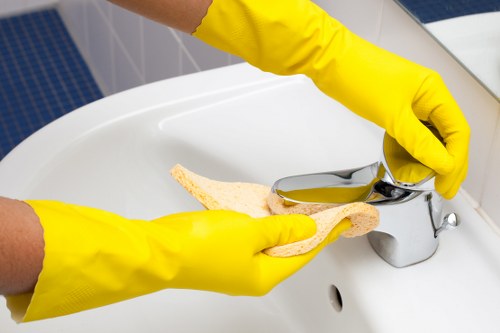
Basic mattress cleaning can be handled at home with simple tools and a little patience. While different stains may require different approaches, the overall process stays the same. Start by stripping the bed completely and exposing the mattress surface.
Follow these basic steps for mattress cleaning:
- Remove all bedding, including sheets, covers, and protectors
- Vacuum the full surface, including seams and edges
- Treat visible stains with a suitable cleaner
- Let the mattress dry thoroughly
- Refresh the surface with baking soda if needed
- Replace bedding only after the mattress is completely dry
Use an upholstery attachment when vacuuming so you can lift dust and debris without damaging the fabric. Pay special attention to seams, tufted areas, and corners, where dirt tends to settle. Thorough vacuuming is one of the most important parts of mattress cleaning because it removes loose particles before they are pushed deeper into the mattress.
Vacuuming the mattress properly
Move slowly across the surface in overlapping passes. If the mattress has a pillow-top or textured cover, vacuum both the top and side panels. This helps reduce dust, lint, and allergen buildup that can affect sleeping comfort.
Best Methods for Removing Mattress Stains

Stain removal is often the trickiest part of mattress cleaning because mattresses should not be saturated with water. Excess moisture can lead to mold, mildew, and lingering odors. That is why spot cleaning must be done carefully and with limited liquid.
For many common stains, use a gentle solution:
- Mix mild dish soap with cool water for light surface marks
- Use a small amount of white vinegar for odor-related stains
- Try an enzyme cleaner for bodily fluids or pet accidents
- Blot, do not scrub, to avoid pushing stains deeper
Always test cleaners on a hidden section first if possible. Apply the solution to a cloth rather than directly onto the mattress, then blot the affected area. Continue with a dry towel to absorb excess moisture. This technique supports safer mattress cleaning and lowers the risk of damage.
Handling different types of mattress stains
Different stains require different approaches. Sweat and oil stains often respond to mild soap or baking soda. Urine stains typically need an enzyme-based cleaner that breaks down odor-causing compounds. Blood stains may require cold water and gentle blotting, while food or beverage stains may need repeated spot treatment. The sooner you begin mattress cleaning after a spill, the better the chance of successful removal.
Never use harsh bleaching agents unless the manufacturer explicitly approves them. Strong chemicals can damage mattress fibers, change color, or leave behind irritating residues.
How to Deodorize a Mattress Naturally
Odor control is a major reason people seek mattress cleaning. Over time, mattresses can trap smells from sweat, humidity, pets, smoke, and spills. Even when a stain is no longer visible, the odor may linger. That is why deodorizing is an important part of the cleaning process.
Baking soda is one of the simplest and most effective options for mattress deodorizing. Sprinkle a light, even layer over the surface and let it sit for several hours. During this time, it helps absorb moisture and neutralize odors. Afterward, vacuum it away completely.
Other useful odor-fighting methods include:
- Improving room ventilation while the mattress dries
- Using a dehumidifier in humid climates
- Placing a mattress protector over the clean surface
- Washing bedding weekly to prevent odor transfer
When mattress cleaning is paired with good airflow and humidity control, odors are less likely to return. A clean, dry mattress simply stays fresher longer.
Why moisture control matters
Any cleaning method that adds liquid should be followed by enough drying time. Mattresses hold moisture for much longer than regular fabrics, so airflow is essential. Fans, open windows, and dry indoor conditions all support faster drying.
Mattress Cleaning for Allergy Relief and Better Indoor Air
For people with allergies or asthma, mattress cleaning is more than a cosmetic task. Mattresses can collect dust mites, pollen, pet dander, and other particles that affect indoor air quality. Since you spend so many hours in bed, any buildup in the mattress may directly influence how you feel in the morning.
A regular mattress cleaning routine can help reduce allergen exposure. Vacuuming removes loose debris, while protective covers create a barrier that limits future buildup. Washing sheets and pillowcases weekly also supports a cleaner sleep environment. When combined, these habits can make a noticeable difference in comfort and breathing quality.
If allergies are a recurring issue, it may help to schedule deeper mattress cleaning more often and consider professional treatment when needed. Homes with pets or high humidity may especially benefit from this extra attention.
Signs your mattress may be affecting allergies
- Waking up congested or sneezing
- Itchy eyes during the night or morning
- Dust visible on the mattress surface
- Recurring musty smell in the bedroom
- Symptoms that improve outside the bedroom
Professional Mattress Cleaning vs. DIY Cleaning
Many homeowners can handle basic mattress cleaning on their own, but some situations call for professional help. Deep stains, severe odors, and long-term buildup may be difficult to remove with household products alone. Professional services often use specialized equipment and cleaning solutions designed for mattresses.
Professional mattress cleaning may be a smart choice when:
- The mattress has stubborn or old stains
- There is a strong odor that will not go away
- Someone in the home has allergies or respiratory concerns
- The mattress has been exposed to pet accidents or flooding
- You want a deep clean without the hassle
DIY mattress cleaning is great for maintenance and small spots, but professional treatment may provide a deeper result. Many people use a combination of both: home care for routine upkeep and service appointments for periodic deep cleaning.
Choosing the right approach
The best choice depends on the condition of the mattress and your comfort level. If you are dealing with a light refresh, a vacuum and a little baking soda may be enough. If you need stronger stain extraction or odor elimination, it may be time to contact a professional and book your service now.
Preventive Tips to Keep Your Mattress Cleaner Longer
The easiest mattress cleaning is the one you do not have to repeat too often. Preventive habits help keep your mattress in better condition and reduce the need for heavy scrubbing. With a few simple steps, you can protect your investment and sleep more comfortably.
Helpful prevention tips include:
- Use a waterproof mattress protector
- Wash bedding weekly
- Avoid eating or drinking in bed when possible
- Let the mattress air out occasionally
- Vacuum the bedroom regularly
- Rotate the mattress if recommended by the manufacturer
These habits do not take much time, but they make a big difference. A protected mattress stays cleaner, smells fresher, and generally needs less intensive mattress cleaning over the long term.
How mattress protectors help
A good protector acts as a barrier against sweat, spills, dust, and allergens. It is much easier to wash a cover than to clean a mattress core. For families, pet owners, and anyone who wants easier upkeep, this is one of the smartest additions you can make.
When to Replace a Mattress Instead of Cleaning It
Although mattress cleaning can solve many issues, there comes a time when cleaning is no longer enough. If the mattress has sagging support, deep structural damage, or persistent odors that remain after multiple cleaning attempts, replacement may be the better option.
Consider replacing the mattress if you notice:
- Visible dips, lumps, or broken support
- Persistent odors after repeated cleaning
- Deep-set stains that keep returning
- Increased allergies despite regular cleaning
- A mattress older than its expected lifespan
Good mattress cleaning can extend lifespan, but it cannot fix every issue. Knowing when to clean and when to replace helps you make the best decision for comfort, hygiene, and value.
Final Thoughts on Mattress Cleaning
Mattress cleaning is a practical habit that supports a healthier bedroom, a more comfortable bed, and a fresher home overall. Whether you are dealing with stains, odors, allergens, or routine maintenance, the right approach can make a noticeable difference. From vacuuming and spot treatment to deodorizing and prevention, every step helps protect your mattress and improve your sleep environment.
By staying consistent with mattress cleaning, you reduce buildup before it becomes a problem. You also create a cleaner space for rest, which can lead to better sleep quality and greater peace of mind. If your mattress needs deeper attention, don’t wait too long to take action. Contact us today or book your service now to keep your bed in the best possible condition.