Communal Area Cleaning: Keeping Shared Spaces Safe, Fresh, and Welcoming
Communal area cleaning plays a vital role in maintaining the comfort, hygiene, and appearance of shared spaces. Whether it is an apartment block, office building, residential complex, student accommodation, or mixed-use property, well-maintained communal spaces create a positive impression and support a healthier environment for everyone. When people walk into a lobby, stairwell, hallway, lift, or shared kitchen, they immediately notice cleanliness. That first impression matters, and it often shapes how residents, visitors, clients, or tenants feel about the entire property.
In busy buildings, communal area cleaning is about more than making surfaces look tidy. It helps reduce germs, remove dirt and debris, prevent unpleasant odors, and extend the lifespan of flooring, fixtures, and furnishings. Regular cleaning also reduces complaints, improves safety, and contributes to a more pleasant everyday experience. From dusting banisters to sanitizing door handles, every task supports a cleaner and more organized shared environment.
For property managers, landlords, facilities teams, and housing associations, investing in reliable communal area cleaning services is often a practical way to protect the value of the building. For residents and tenants, it means living and working in a space that feels cared for. In this article, we explore what communal area cleaning involves, why it matters, what tasks should be included, and how to maintain high standards throughout the year.
What Is Communal Area Cleaning?
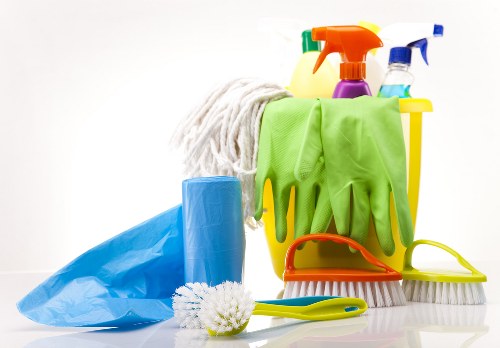
Communal area cleaning refers to the routine and periodic cleaning of spaces shared by multiple people. These areas may include hallways, staircases, entrances, elevators, lobbies, mail areas, shared kitchens, laundry rooms, restrooms, meeting rooms, corridors, and outdoor access points. Because these spaces are used frequently, they tend to accumulate dirt faster than private areas.
The goal of communal area cleaning is to keep these shared spaces clean, hygienic, safe, and visually appealing. This includes everyday tasks such as vacuuming, sweeping, mopping, wiping high-touch points, and removing waste. In some buildings, it also involves deep cleaning, spot treatment, and seasonal maintenance to address areas that require more attention.
Shared space cleaning is important across a wide range of properties. In residential buildings, it helps residents feel comfortable and proud of where they live. In commercial properties, it supports productivity and professionalism. In mixed-use buildings, it bridges the expectations of both environments by providing consistent standards across the property.
Types of Communal Spaces That Need Regular Cleaning
- Apartment entrances and reception areas
- Stairwells and handrails
- Lift interiors and buttons
- Hallways and corridors
- Shared kitchens and break rooms
- Laundry rooms and drying areas
- Meeting rooms and coworking spaces
- Bin storage and refuse areas
Why Communal Area Cleaning Matters

There are many reasons why regular communal area cleaning should be a priority. Clean shared spaces are not only more attractive, but they also support health, safety, and overall building quality. Dust, grime, litter, and bacteria can build up quickly in places where many people pass through each day. Without routine attention, these areas can become unpleasant and even hazardous.
One of the biggest benefits of communal area cleaning is improved hygiene. High-touch surfaces such as door handles, switches, railings, lift buttons, and mailbox panels can carry germs from one person to another. Thorough cleaning helps minimize the spread of illness and contributes to a healthier environment for occupants and visitors.
Another major benefit is safety. Spills, debris, and clutter can create slip-and-trip hazards. Good communal area cleaning removes these risks promptly, reducing accidents and helping building owners meet their duty of care. Clean floors, clear walkways, and visible signage also improve accessibility for people of all ages and abilities.
Beyond hygiene and safety, clean communal areas also help preserve property value. Dirt and neglect can damage finishes, stain carpets, dull hard floors, and shorten the life of fixtures. Routine maintenance helps protect the building’s appearance and reduce long-term repair costs. That is why effective shared area cleaning is often seen as a worthwhile investment rather than a simple expense.
Key Areas Included in Communal Area Cleaning

A strong communal area cleaning plan should cover all shared spaces thoroughly and consistently. While the exact scope depends on the type of property, certain areas usually require regular attention. A structured approach ensures nothing important is missed and cleaning standards remain high across the building.
Typical cleaning tasks include dusting surfaces, emptying bins, wiping down high-touch points, vacuuming carpets, mopping hard floors, cleaning glass panels, and removing marks from walls or doors. In some properties, the cleaning team may also be responsible for replenishing supplies, reporting maintenance issues, and checking for signs of misuse or damage.
To keep things organized, it helps to divide tasks into daily, weekly, and periodic schedules. This ensures communal area cleaning remains consistent and manageable. A good cleaning routine reduces buildup and creates a more professional appearance for residents and visitors alike.
Common Communal Cleaning Tasks
- Sweeping and mopping entrance floors
- Vacuuming carpets and mats
- Cleaning stairwells and banisters
- Disinfecting touchpoints and switches
- Wiping doors, frames, and skirting boards
- Emptying bins and managing waste zones
- Cleaning mirrors, glass, and signage
- Removing cobwebs and dust from corners
Benefits of Professional Communal Area Cleaning
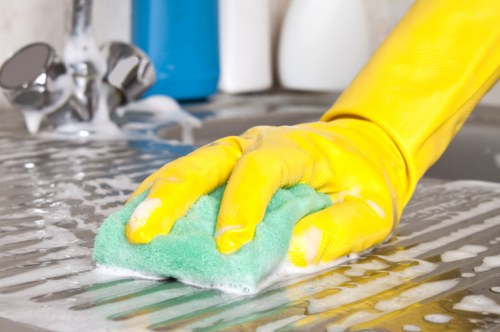
Many buildings benefit from outsourcing communal area cleaning to experienced professionals. A trained cleaning team brings the right equipment, products, and methods to handle shared spaces efficiently. This can save time, improve consistency, and ensure a much higher standard than occasional ad hoc cleaning.
Professional communal area cleaning services offer reliability. Scheduled visits mean the building stays in a clean and presentable condition even during busy periods. Teams can work around peak traffic times to avoid disruption and maintain cleanliness when it matters most. This is especially useful in properties with high footfall, where dirt accumulates quickly.
Another advantage is expertise. Professional cleaners understand how to care for different materials, from polished stone and vinyl flooring to glass, stainless steel, and carpet. They know which products are safe and effective, and how to handle high-traffic areas without causing damage. Their work often includes deep cleaning and specialist services that go beyond basic maintenance.
Outsourcing also allows property managers and landlords to focus on other responsibilities. Instead of worrying about stocking supplies or coordinating cleaning tasks, they can rely on a structured service plan. This improves efficiency and gives occupants confidence that the building is being looked after properly.
What Professional Cleaning Can Improve
- Appearance and first impressions
- Hygiene and infection control
- Safety and hazard prevention
- Odor management
- Floor and surface longevity
- Resident and tenant satisfaction
How to Build an Effective Cleaning Schedule

An effective communal area cleaning schedule depends on usage levels, building size, and the type of occupants using the space. A small residential block may only need a few cleaning visits per week, while a busy office building may require daily or even multiple daily cleans. The key is to match frequency with demand.
A practical schedule should include clear responsibilities, task lists, and timing. Daily tasks usually cover high-traffic and high-touch areas, while weekly tasks may focus on less visible surfaces, glass, and detailed dusting. Monthly or quarterly tasks may include deep cleaning carpets, polishing floors, washing walls, and cleaning ventilation grilles.
Good communal area cleaning schedules are also flexible. Seasonal factors such as rain, snow, mud, pollen, and increased footfall can create extra cleaning needs. Buildings near busy roads or construction sites may require more frequent attention due to dust and debris. Regular review of cleaning routines ensures the plan remains effective over time.
Sample Cleaning Frequency Framework
- Daily: entrances, lifts, touchpoints, floors, bins
- Weekly: skirting boards, glass, corners, stair details, doors
- Monthly: deep cleaning, spot treatment, high-level dusting
- Quarterly: floor treatment, carpet extraction, detailed inspections
For best results, combine this schedule with clear communication. When residents or staff know what to expect, they are more likely to respect the shared space and cooperate with the cleaning process.
Best Practices for High-Quality Communal Area Cleaning
High-quality communal area cleaning is not just about effort; it is about method. Using the right approach consistently leads to better outcomes and helps avoid complaints. Cleaners and property managers should focus on a few important best practices to keep shared areas in top condition.
First, prioritize high-touch points. These surfaces are the most likely to spread germs, so they should be cleaned and disinfected regularly. Second, clean from top to bottom and from clean to dirty areas to avoid spreading dust and debris. Third, use the correct products for each surface to prevent damage and achieve the best finish.
It is also important to monitor quality. Regular inspections, checklists, and supervisor reviews can help identify missed areas and maintain standards. If a building has multiple entrances or floors, cleaning routes should be designed to ensure every section receives the same level of care.
Practical Tips for Better Results
- Use color-coded tools to reduce cross-contamination
- Keep supplies well stocked and organized
- Address spills and litter immediately
- Report maintenance issues quickly
- Rotate deep-cleaning tasks into the schedule
- Train staff on safe and effective cleaning methods
By following these practices, building managers can achieve more consistent results and improve the overall experience of everyone who uses the premises.
Communal Area Cleaning for Different Property Types
Not all properties need the same approach. The best communal area cleaning plan depends on how the building is used and who uses it. A residential block has different priorities from an office building, while a student accommodation site may require fast turnaround and frequent attention during term time.
In apartment buildings, residents often value cleanliness, quiet operation, and dependable schedules. Hallways, staircases, entrance mats, and lift areas need regular attention because they are used throughout the day. In offices, presentation is especially important, so lobbies, meeting spaces, restrooms, and break rooms must remain spotless and welcoming.
In commercial and mixed-use buildings, cleaning must balance different levels of traffic and usage. A professional team can adapt their service to meet these varying needs while keeping the building safe and attractive. This is where tailored shared area cleaning plans make a major difference.
Property-Specific Priorities
- Residential: comfort, odor control, waste management, floor care
- Office: presentation, hygiene, touchpoint disinfection, restroom cleaning
- Student housing: high-frequency cleaning, spill control, bin areas
- Retail or mixed-use: appearance, safety, customer-facing cleanliness
How Clean Communal Spaces Support Wellbeing
Clean surroundings influence how people feel. A tidy and fresh environment can reduce stress, improve mood, and make daily life more pleasant. In shared properties, communal area cleaning contributes to a sense of order and respect. People are more likely to care for a space when it already looks well maintained.
There is also a psychological benefit to cleanliness. When entrances are bright, floors are clean, and shared surfaces are dust-free, the whole property feels more secure and organized. This matters for tenants returning home after work, employees arriving for the day, and visitors forming an opinion about the space.
For many buildings, communal area cleaning is part of creating a positive community atmosphere. Clean shared spaces reduce friction between occupants, support good habits, and encourage everyone to take responsibility for the environment they use. In other words, cleanliness helps build a better shared experience for all.
Choosing a Communal Area Cleaning Provider
If you are considering outsourcing communal area cleaning, it helps to look for a provider with experience, flexibility, and a strong reputation for consistency. The right team should understand the unique demands of shared spaces and be able to create a service plan that suits the building’s layout, occupancy, and schedule.
A reliable provider will ask about traffic levels, problem areas, surface types, and preferred cleaning times. They should also be able to explain which tasks are included, how quality is monitored, and how issues are reported. Good communication is essential, especially when a building has several stakeholders or changing usage patterns.
When comparing services, focus on value rather than price alone. The cheapest option may not deliver the standard needed for long-term cleanliness and maintenance. A well-managed communal area cleaning service can reduce complaints, protect assets, and improve day-to-day satisfaction across the property.
Questions to Consider
- Does the provider understand your type of property?
- Are cleaning schedules flexible and scalable?
- Do they use safe, effective cleaning products?
- How do they handle quality checks and reporting?
- Can they support both routine and deep cleaning?
Maintaining Standards All Year Round
Even the best communal area cleaning plan needs regular review. Usage changes, weather conditions shift, and buildings evolve over time. What works in winter may need adjustment in spring or summer. For this reason, periodic assessments are essential to keep standards high throughout the year.
Property managers should inspect communal spaces regularly and pay attention to feedback from occupants. If certain zones are always dirty, the schedule may need to be adjusted. If a new issue appears, such as litter near entrances or marks on walls, the cleaning plan should be updated quickly. Staying proactive prevents small issues from becoming bigger ones.
Long-term success depends on consistency, communication, and accountability. When everyone involved understands the importance of communal area cleaning, the building is more likely to stay safe, attractive, and functional. This creates a better environment for residents, visitors, and staff while protecting the value of the property.
For shared properties that want to make a stronger impression, keep standards high, and improve hygiene across the building, now is the time to act. Book your service now and take the next step toward a cleaner communal environment. Contact us today to keep your shared spaces looking their best.
Final Thoughts
Communal area cleaning is an essential part of property care. It improves hygiene, enhances safety, supports wellbeing, and helps preserve the appearance and value of shared spaces. From entrance halls and stairwells to lift interiors and break rooms, every communal area benefits from a structured and reliable cleaning routine.
Whether you manage a residential block, commercial premises, or mixed-use site, investing in communal area cleaning can make a noticeable difference every day. Clean shared spaces create better experiences for everyone and signal that the property is well maintained and respected. With the right plan, the right people, and the right schedule, your communal areas can remain fresh, functional, and welcoming all year round.