Office Cleaning in
Office cleaning plays a much bigger role in daily business success than many people realize. A clean workspace supports productivity, improves employee comfort, strengthens professionalism, and helps create a positive first impression for clients and visitors. Whether a company manages a small suite, a multi-floor corporate setting, or a shared workspace, consistent office cleaning is essential for maintaining a healthy and organized environment.
Modern businesses are also paying closer attention to sanitation standards, indoor air quality, and the appearance of shared areas. That is why office cleaning is no longer seen as a simple chore. It is now an important part of workplace management, brand image, and employee well-being. From desks and meeting rooms to restrooms and break areas, every part of the office benefits from regular attention.
In this article, we will explore the value of office cleaning, the most important tasks involved, the benefits of professional cleaning services, and the habits that help keep workplaces looking their best. If you want a cleaner, healthier, and more efficient office environment, understanding office cleaning is a smart place to start.
Why Office Cleaning Matters Every Day

Office cleaning affects more than appearance. It influences health, workflow, morale, and how your business is perceived. A spotless office can help reduce distractions and create a more comfortable setting for employees. It can also support a more professional image when clients, partners, or vendors visit your space.
Workspaces that are cleaned regularly tend to feel calmer and more organized. Employees are less likely to waste time searching for supplies, dealing with clutter, or avoiding dirty shared spaces. A clean environment can also encourage people to take better care of their own areas, which reinforces order throughout the office.
Another important reason office cleaning matters is hygiene. Desks, keyboards, phones, and shared surfaces can collect dust, germs, and allergens quickly. Routine office cleaning helps reduce the spread of illness, lowers the buildup of contaminants, and supports a healthier workplace overall.
Core Areas of Office Cleaning
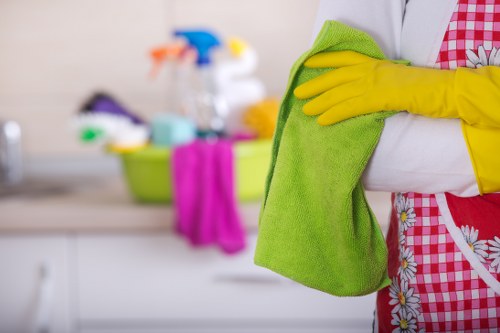
Effective office cleaning requires a structured approach. Different parts of the office need different cleaning methods depending on traffic, usage, and surface type. A well-planned cleaning routine usually covers high-touch surfaces, flooring, restrooms, kitchens, and communal areas.
Some of the most common office cleaning tasks include wiping desks, disinfecting door handles, emptying waste bins, vacuuming carpets, mopping floors, and sanitizing breakroom counters. These tasks may seem simple, but together they make a major difference in the overall cleanliness of the workplace.
To keep things consistent, many businesses rely on a schedule that divides office cleaning into daily, weekly, and monthly responsibilities. This helps ensure that essential tasks are completed on time and that deeper cleaning does not get overlooked.
High-traffic zones that need extra care
Some areas naturally collect more dirt and require more frequent office cleaning. These usually include lobbies, entrances, elevators, conference rooms, kitchens, and restrooms. Because many people use these spaces throughout the day, they can quickly become untidy or unsanitary if not maintained properly.
- Entryways and reception areas
- Shared desks and workstations
- Conference and meeting rooms
- Breakrooms and kitchens
- Restrooms and wash stations
Benefits of Professional Office Cleaning Services
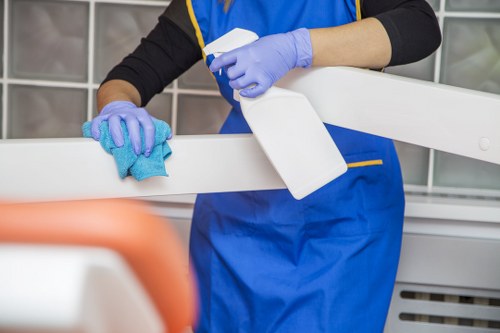
Professional office cleaning offers advantages that go beyond what basic in-house tidying can provide. Cleaning teams bring experience, specialized tools, and efficient methods that help deliver more thorough results. This can save businesses time while improving consistency and quality.
One major benefit is reliability. A professional office cleaning service follows a schedule and knows how to handle different surfaces and materials correctly. This reduces the risk of damage and helps ensure that the office is cleaned to a higher standard. It also makes planning easier for managers who want dependable results.
Professional cleaners can also pay attention to detail in ways that busy staff members may not have time for. Tasks such as sanitizing light switches, polishing glass, deep-cleaning restrooms, and maintaining carpets are often easier to keep up with when a dedicated cleaning team is involved. Professional office cleaning supports both cleanliness and long-term upkeep.
Health and productivity advantages
Clean offices can contribute to fewer sick days, reduced allergens, and better concentration. Employees are often more comfortable and productive in a tidy environment. When a business invests in office cleaning, it sends a message that employee wellness matters.
In addition, a clean office can help reduce stress. Clutter and dirt can create visual noise that affects focus. By contrast, organized surroundings often help employees feel more in control and better able to manage their workload.
What a Strong Office Cleaning Routine Should Include

A reliable office cleaning routine should address both visible and hidden problem areas. It is not enough to make surfaces look clean. The goal is to maintain an environment that feels fresh, sanitary, and ready for daily use. That means combining routine maintenance with periodic deep cleaning.
Daily office cleaning often includes trash removal, desk wiping, floor care, restroom sanitation, and surface disinfection. Weekly tasks may involve glass cleaning, dusting vents, vacuuming upholstery, and restocking supplies. Monthly or seasonal cleaning can include carpet shampooing, wall washing, and detailed fixture cleaning.
When office cleaning is planned well, it becomes easier to protect the workspace from buildup and wear. This reduces the chance of stains, odors, and neglected areas becoming bigger problems over time. It also helps office assets last longer, which can lower replacement costs.
Key tasks to prioritize
To build an effective cleaning plan, it helps to focus on the areas that influence hygiene and presentation the most. Consider these priorities:
- Disinfect high-touch surfaces such as door handles, switches, and shared equipment.
- Vacuum and mop floors to remove dust, crumbs, and tracked-in dirt.
- Clean restrooms thoroughly to maintain hygiene and comfort.
- Keep kitchens and break areas free of food residue and odors.
- Dust furniture, electronics, and décor to improve air quality and appearance.
Consistent office cleaning does not need to be complicated, but it does need to be regular and intentional.
Choosing the Right Office Cleaning Approach
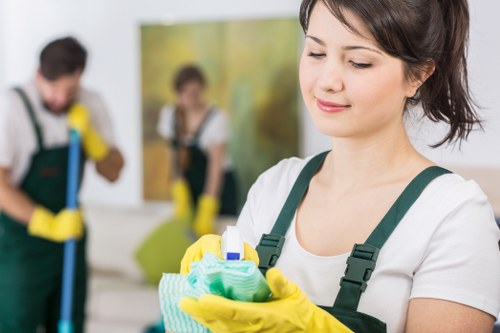
Different workplaces have different cleaning needs. A law office may need quiet, discreet cleaning before business hours. A medical office may require strict sanitation practices. A creative agency may need flexible service that adapts to a more open, collaborative layout. The best office cleaning approach depends on the size of the space, the number of employees, and the level of traffic.
Some companies prefer daily cleaning, while others may only need services a few times a week. The right schedule often depends on how quickly the office accumulates dust, clutter, and waste. Businesses with frequent visitors or heavy use of shared areas generally need more frequent cleaning than smaller offices with minimal foot traffic.
It is also important to think about cleaning methods and products. Many businesses now want eco-friendly solutions that reduce harsh chemical exposure. Using safer products can support better indoor air quality while still delivering strong results. This makes office cleaning more aligned with modern workplace expectations.
Factors to consider before creating a schedule
- Office size and layout
- Number of employees and visitors
- Type of work performed in the office
- Frequency of shared-space use
- Special sanitation or safety requirements
Well-planned office cleaning should be flexible enough to handle daily needs while still addressing deeper cleaning issues on a regular basis.
Office Cleaning and Workplace Health
One of the strongest reasons to invest in office cleaning is health protection. Offices often contain shared surfaces, enclosed rooms, and ventilation systems that can allow dust and germs to circulate. Regular cleaning helps reduce those risks and keeps the workspace more comfortable for everyone.
High-touch areas are especially important because they are used repeatedly throughout the day. Phones, keyboards, copy machines, tabletops, and conference room chairs can all collect germs and debris. Disinfecting these items as part of an office cleaning routine can help lower the spread of seasonal illness and everyday contamination.
Indoor air quality is another factor. Dust, pollen, and particles can collect on surfaces and in carpets, affecting how people breathe and feel during the workday. A thorough office cleaning plan that includes dusting and vacuuming can help create a fresher environment.
Common health-focused cleaning practices
Many businesses now prioritize cleaning habits that support wellness. These may include:
- Frequent disinfection of shared workstations
- Regular restroom sanitizing
- Carpet and upholstery maintenance
- Trash and recycling removal
- Restocking soap, paper towels, and hand sanitizer
Office cleaning is one of the simplest ways to support a healthier and more comfortable workplace.
Office Cleaning for Better Business Image
A well-maintained office says a lot about a business. When a client walks into a clean reception area, they immediately notice the professionalism and attention to detail. On the other hand, a dusty or cluttered office can create doubt, even if the company offers excellent products or services.
Office cleaning helps strengthen brand perception because cleanliness is often associated with reliability and care. This is especially important in customer-facing spaces where appearance matters. A tidy office reflects an organized company culture and a commitment to quality.
Even behind the scenes, office cleaning can influence how employees feel about the organization. When a business invests in a clean environment, it shows respect for staff members and helps reinforce positive workplace standards.
Areas that influence first impressions
Some spaces are especially important when it comes to image:
- Reception desks and front entrances
- Glass doors and windows
- Meeting rooms and presentation spaces
- Hallways and shared corridors
- Clean and odor-free restrooms
Consistent office cleaning helps ensure every visitor sees the business at its best.
How Office Cleaning Supports Long-Term Maintenance
Office cleaning is not only about immediate appearance. It also helps protect the building and furnishings over time. Dirt and dust can wear down carpets, dull hard flooring, stain furniture, and damage electronics if they are not managed properly. A strong cleaning routine helps extend the life of these assets.
For example, vacuuming carpets regularly prevents grit from embedding into fibers. Dusting desks and shelves helps reduce buildup on wood, metal, and glass. Cleaning spills quickly can prevent stains and reduce the chance of permanent damage. These small habits can make a big difference in long-term maintenance costs.
That is why office cleaning should be seen as an investment rather than an expense. It helps preserve the condition of the workspace, reduces repair needs, and supports a more efficient facility overall.
Why preventive cleaning pays off
Preventive office cleaning often costs less than correcting problems later. By staying ahead of dust, grime, and wear, businesses can avoid unnecessary replacements and maintain a more professional setting throughout the year.
It also helps reduce downtime. When the office is well maintained, there is less need for disruptive deep fixes or emergency cleaning responses. That makes the workplace easier to manage and more predictable for everyone involved.
Best Practices for Effective Office Cleaning
Whether cleaning is handled internally or through a professional service, certain best practices can improve results. The first is consistency. Cleaning should happen on a reliable schedule, not only when messes become obvious. The second is attention to detail, especially in shared and high-touch spaces.
Another best practice is using the right products for each surface. Different materials require different cleaning solutions to prevent dulling, streaking, or damage. Training cleaning staff on proper methods can improve both safety and quality. This is especially important in offices with specialty flooring, glass walls, or sensitive equipment.
Communication also matters. Businesses should identify priorities, special requests, and problem areas so the office cleaning routine matches actual needs. A good plan is one that can adapt as the office grows or changes.
Practical habits that improve cleanliness
- Encourage employees to keep desks organized.
- Provide easy access to trash and recycling bins.
- Store cleaning supplies in convenient locations.
- Set expectations for shared-space use.
- Schedule deep cleaning before major events or seasonal changes.
Simple habits combined with professional office cleaning can create a noticeably better workplace.
Signs Your Office Needs More Frequent Cleaning
Sometimes a business does not realize its cleaning routine is insufficient until visible issues start to appear. Common signs include dust buildup, unpleasant odors, dirty floors, overflowing bins, streaky glass, and restrooms that lose their freshness too quickly. These are often signals that office cleaning needs to happen more often or more thoroughly.
Another warning sign is employee complaint. If staff members mention that the office feels untidy or unwell-maintained, that feedback should be taken seriously. Employees spend many hours in the space and are usually the first to notice when standards slip.
If visitors are frequently encountering messy spaces, that is another clear indicator that office cleaning should be improved. The goal is to prevent issues before they affect productivity or reputation.
When to upgrade your routine
It may be time to increase office cleaning frequency if you notice:
- Shared areas become dirty soon after cleaning.
- Dust and allergens seem to build up quickly.
- Food odors linger in breakrooms or kitchens.
- Restrooms require constant attention.
- Client-facing spaces are not staying presentable.
Making Office Cleaning Part of Company Culture
While professional cleaning is important, everyday behavior also matters. Office cleaning works best when everyone contributes to basic tidiness. Employees do not need to take over cleaning duties, but they can help by keeping work areas orderly, cleaning personal messes, and respecting shared spaces.
A culture of cleanliness does not happen by accident. It starts with clear expectations and leadership support. When managers model tidy habits and prioritize cleanliness, employees are more likely to follow those standards. That creates a more pleasant and efficient workplace for everyone.
In many offices, small actions make a huge difference. Putting items away, wiping up spills right away, and avoiding clutter on shared tables all help support the larger office cleaning process. These habits are easy to encourage and valuable over time.
Final thoughts on workplace responsibility
Office cleaning is most effective when it is supported by both routine service and shared responsibility. A clean workplace reflects a business that values health, order, and professionalism.
If your office could benefit from a more polished, organized, and hygienic environment, now is the perfect time to act. Contact us today to improve your office cleaning routine and create a workspace people enjoy walking into. Book your service now and take the first step toward a cleaner, brighter, more productive office.