Oven Cleaning in Modern Homes: Practical Tips, Benefits, and Professional Results
Keeping an oven clean is one of those household tasks that many people delay until it becomes impossible to ignore. Yet regular oven cleaning can make a major difference in how your kitchen looks, smells, and performs. Whether you cook every day or only use your oven occasionally, built-up grease, burnt food, and stubborn residue can affect cooking results and even create unpleasant odors. A clean oven is not just about appearance; it is about hygiene, efficiency, and safety.
Many homeowners search for oven cleaning solutions because they want a faster, safer, and more effective way to restore their appliance. From natural cleaning methods to professional deep cleaning, there are several approaches that can help. The right method depends on the condition of the oven, the type of buildup inside, and how much time you want to spend on the task.
In this article, we will explore the importance of oven cleaning, the most effective cleaning methods, common mistakes to avoid, and why professional support can be a smart choice. If you want a cleaner kitchen and better cooking performance, learning the right approach to oven cleaning is a great place to start.
Why Oven Cleaning Matters for Every Household
Regular oven cleaning is essential because food spills and grease do not simply disappear over time. They build up on interior walls, racks, trays, and glass doors. When the oven heats up, these residues can smoke, produce odors, and even affect the flavor of your meals. A neglected oven can turn a simple dinner into a frustrating experience.
Another important reason to keep up with oven cleaning is energy efficiency. When grease and grime coat the interior surfaces, your oven may need to work harder to reach and maintain the desired temperature. That can lead to uneven cooking and, over time, may reduce the appliance’s performance. Clean surfaces help distribute heat more effectively, which is especially important for baking and roasting.
There is also a hygiene factor. Crumbs, burnt bits, and spilled liquids can attract bacteria and pests if left unattended. A clean oven supports a healthier kitchen environment, making it easier to prepare food with confidence. For families, restaurants, landlords, and busy households, regular oven cleaning is a practical part of home maintenance.
Signs Your Oven Needs Cleaning
Not sure when to schedule oven cleaning? There are several signs that your appliance needs attention. One of the most obvious is visible grease or blackened residue on the oven walls, door, or racks. If the interior looks dull, sticky, or stained, it is likely time for a thorough clean.
Another common sign is smoke or a burning smell when the oven is in use. This usually happens when old food particles or grease begin to heat up and release smoke. Even if the oven appears to be working normally, these odors can indicate that the interior needs a deeper clean.
You may also notice inconsistent cooking results. If baked dishes brown unevenly or take longer than expected, grime on the heating surfaces could be contributing to the problem. In some cases, the oven light, glass door, and trays can also become coated in residue, making it harder to monitor your food during cooking.
Other warning signs include:
- Sticky knobs or control panels
- Grease dripping from racks or trays
- Food splatters that have hardened over time
- Dark smoke during preheating
- Strong odors that linger after the oven is turned off
Different Methods of Oven Cleaning
There is no single method that works for every oven. The best oven cleaning approach depends on the level of dirt, the oven type, and your preference for chemicals versus natural ingredients. Some people prefer quick spray-and-wipe solutions, while others choose manual scrubbing or professional cleaning.
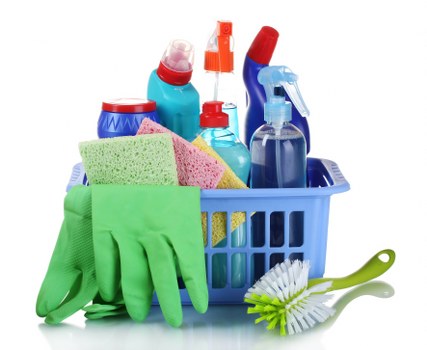
One popular method is using a commercial oven cleaner. These products are designed to cut through grease and carbon buildup quickly. However, they often contain strong chemicals, so proper ventilation and careful handling are important. Always follow the manufacturer’s instructions before applying any product.
For those who prefer a more natural approach, baking soda and vinegar are commonly used for oven cleaning. A paste made from baking soda and water can be applied to the interior surfaces and left overnight. The next day, vinegar can be sprayed over the dried paste to help loosen grime. This method is gentler, though it may require more time and effort for stubborn buildup.
Common oven cleaning methods include:
- Self-cleaning cycle
- Commercial oven cleaner
- Baking soda paste
- Steam cleaning
- Professional deep oven cleaning
How to Approach Oven Cleaning Safely
Safety should always come first during oven cleaning. Before starting, make sure the oven is completely cool and disconnected from power if necessary. Remove racks, trays, and any loose components so they can be cleaned separately. Good ventilation is also important, especially if you are using a chemical cleaner.
Wear gloves to protect your hands from harsh cleaning agents and grime. If the oven has a self-cleaning function, read the manual before using it. Some models reach extremely high temperatures during the cleaning cycle, and the process can release strong odors. It is best to ensure the kitchen is well-ventilated and children or pets are kept away.
Never mix cleaning chemicals unless the product instructions explicitly say it is safe to do so. Combining substances can create dangerous fumes. For safe and effective oven cleaning, use one method at a time and take your time removing residue. If the buildup is severe or baked on for years, professional cleaning may be the safest option.
Helpful safety reminders:
- Allow the oven to cool completely before cleaning
- Use gloves and avoid direct contact with chemicals
- Keep windows open or use extraction fans
- Test cleaners on a small area first
- Follow appliance instructions carefully
Benefits of Professional Oven Cleaning
While DIY oven cleaning can work for light residue, professional services offer a much deeper clean. Experts have the tools, products, and experience to remove stubborn grease, burnt-on food, and hidden buildup from all areas of the oven. This includes the door, seals, racks, fans, trays, and hard-to-reach corners.
One of the biggest benefits of professional oven cleaning is time savings. Instead of spending hours scrubbing, homeowners can enjoy a sparkling appliance without the stress. Professional cleaners also know how to handle different oven models safely, reducing the risk of damage to delicate parts or finishes.
In addition, professional oven cleaning can help extend the lifespan of the appliance. When grease and debris are removed regularly, the oven is less likely to suffer from performance issues caused by blocked airflow or overheating. For busy households, landlords preparing a property, or anyone who wants reliable results, a professional service can be a practical investment.
Step-by-Step Breakdown of Oven Cleaning at Home
If you prefer to clean the oven yourself, a structured process can make the job easier and more effective. Start by removing everything from the oven, including racks, trays, and thermometers. This gives you full access to the interior surfaces and allows you to clean each piece separately.
Next, apply your chosen cleaner. For baking soda cleaning, spread the paste across the interior surfaces and leave it to work for several hours or overnight. For commercial products, follow the instructions carefully and avoid oversaturating the surfaces. Once the cleaner has loosened the grime, wipe away the residue with a damp cloth or sponge.
Finally, clean the glass door, knobs, and exterior. These areas are often overlooked, but they can collect grease and fingerprints quickly. A complete oven cleaning routine should leave both the inside and outside looking fresh. To finish, replace the racks and trays once they are fully dry.
Simple home oven cleaning process:
- Switch off and cool the oven
- Remove racks and loose parts
- Apply a suitable cleaner
- Let the product sit for the recommended time
- Wipe away softened grime
- Clean the glass and exterior surfaces
- Reassemble once dry
Consistency matters. If you clean the oven lightly after each major use, the next deep clean will be much easier. This prevents residue from hardening and reduces the need for intense scrubbing later.
Common Mistakes to Avoid During Oven Cleaning
Many people unintentionally make oven cleaning harder by using the wrong products or techniques. One common mistake is waiting too long between cleanings. The longer grease sits, the harder it becomes to remove. Regular maintenance is always easier than dealing with thick, burnt-on residue.
Another mistake is using abrasive tools on delicate surfaces. Steel wool or rough scouring pads can scratch the oven interior or damage the glass door. It is better to use soft cloths, non-scratch sponges, or tools recommended by the manufacturer. For stubborn spots, repeated gentle cleaning is safer than aggressive scrubbing.
A third mistake is ignoring removable components. Racks, trays, and liners can hold a surprising amount of grease. Cleaning them separately helps improve the overall result and keeps the oven cleaner for longer. If you want the best outcome from oven cleaning, pay attention to every part of the appliance.
Other errors to avoid:
- Using too much cleaner
- Skipping ventilation
- Leaving residue behind
- Cleaning a hot oven
- Forgetting to dry parts before reassembly
How Often Should You Clean Your Oven?
The ideal cleaning frequency depends on how often the oven is used. For frequent home cooking, a light clean every few weeks and a deep clean every few months is often enough. If you bake regularly, roast greasy foods, or cook dishes that splatter, you may need more frequent oven cleaning.
For households that use the oven only occasionally, cleaning every few months may be sufficient. However, waiting until the appliance looks dirty can make the task more difficult. A better approach is to wipe away spills as soon as the oven has cooled and schedule occasional deep cleaning to prevent buildup.
Professional oven cleaning is often recommended at least once or twice a year for long-term maintenance. This can be especially useful before special events, after holiday cooking, or when moving into a new home. Keeping a routine helps preserve appliance performance and ensures a cleaner cooking environment.
Eco-Friendly Oven Cleaning Options
Many homeowners are now looking for greener ways to maintain their kitchens, and oven cleaning is no exception. Eco-friendly methods can be effective while reducing exposure to harsh chemicals. Baking soda, vinegar, lemon juice, and steam are popular natural options that can help loosen dirt and freshen the oven.
A simple eco-friendly approach is to make a thick baking soda paste and apply it to dirty areas. After allowing it to sit, wipe it away with a damp cloth and use a vinegar spray for extra cleaning power. Steam cleaning is another option that can soften grime before wiping. These methods are particularly appealing for homes with children, pets, or chemical sensitivities.
Even when using natural products, patience is important. Green cleaning methods may take longer than strong commercial sprays, but they can still produce excellent results when used consistently. For those seeking sustainable household habits, eco-friendly oven cleaning is a smart and responsible choice.
Eco-friendly cleaning advantages:
- Lower chemical exposure
- Safer for many households
- Often budget-friendly
- Gentler on oven surfaces
- Better aligned with sustainable living
Why Oven Cleaning Improves Cooking Performance
A clean oven does more than look good. It plays a direct role in how well your food cooks. Grease and charred residue can block heat flow, cause uneven baking, and create hot spots. When the interior is clean, heat can circulate more evenly, leading to better roasting, baking, and broiling results.
This is especially important for recipes that rely on precision. Cakes, pastries, casseroles, and roasted vegetables can all be affected by an unclean oven. If you have ever wondered why food cooks differently than expected, the answer may be hidden in residue rather than the recipe itself. Regular oven cleaning helps restore consistent performance.
Another benefit is improved temperature accuracy. When the oven is free from heavy buildup, it can respond more efficiently to temperature changes. That can make meal preparation smoother and help you achieve more reliable results. For anyone who values cooking quality, oven cleaning is a simple but powerful habit.
Professional vs DIY Oven Cleaning: Which Is Best?
The choice between DIY and professional oven cleaning depends on your priorities. DIY methods are convenient and cost-effective for light to moderate dirt. They allow you to clean on your own schedule and use products you trust. If the oven only has minor stains or recent spills, home cleaning may be enough.
Professional cleaning is ideal when the buildup is heavy, the oven has not been cleaned in a long time, or you want a more thorough result. Professionals can often remove grime that household products cannot handle easily. They can also save time and reduce the risk of damage caused by scrubbing or incorrect chemical use.
In many cases, the best approach is a combination of both. Use regular DIY maintenance to keep the oven in good condition, and schedule professional oven cleaning when deeper attention is needed. This balanced method supports both convenience and long-term appliance care.
Choose DIY if you want:
- Lower immediate cost
- Flexible scheduling
- Simple maintenance between deep cleans
Choose professional cleaning if you want:
- Deep grease removal
- Less time and effort
- Expert handling of tough residue
- Better results for heavily used ovens
Final Thoughts on Oven Cleaning
Oven cleaning may not be the most exciting household task, but it is one of the most worthwhile. A clean oven supports better cooking, improved hygiene, safer operation, and a more pleasant kitchen environment. Whether you choose natural methods, commercial cleaners, or professional support, the key is to stay consistent.
If your oven is starting to show signs of grease, smoke, or stubborn stains, now is the perfect time to act. Regular care will save time in the long run and help your appliance last longer. For the best results, combine routine maintenance with occasional deep cleaning and pay attention to the condition of racks, glass, and interior surfaces.
Ready to enjoy a fresher kitchen and better cooking results? Book your service now or contact us today to take the next step toward a cleaner oven and a more efficient home.