Wimbledon Station office cleaning for shops and clinics
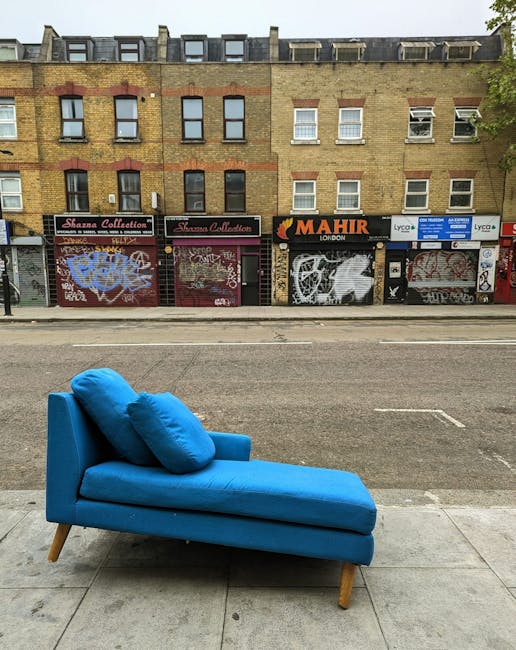
If you run a shop, reception, treatment room, or small clinic near Wimbledon Station, cleaning is never just "nice to have". It shapes first impressions, protects staff confidence, and quietly influences how smoothly the day runs. Wimbledon Station office cleaning for shops and clinics has to deal with footfall, fingerprints, dust, bins, washrooms, and the sort of everyday mess that appears before lunch and somehow returns by closing time. That's the reality.
This guide explains what good commercial cleaning looks like in a busy station-area setting, how it works in practice, and how to choose the right routine for customer-facing spaces. You'll also find a checklist, a comparison table, and a few sensible pitfalls to avoid. Nothing fluffy. Just useful, grounded advice for businesses that need the place to look clean, feel calm, and stay ready for the next person walking through the door.
Why Wimbledon Station office cleaning for shops and clinics Matters
Near Wimbledon Station, businesses live and die by how quickly people judge them. A spotless counter, a fresh-smelling entrance, and a tidy waiting area all say the same thing: this place is organised, careful, and worth trusting. For a shop, that can affect whether someone browses for ten seconds or ten minutes. For a clinic, it can affect whether a nervous visitor relaxes a little the moment they step inside.
That's why Wimbledon Station office cleaning for shops and clinics is different from a basic "sweep and wipe". It usually needs a sharper focus on hygiene points, touch surfaces, public-facing areas, staff break spaces, and the everyday clutter that builds up near tills, desks, sinks, and door handles. In some businesses, the entrance does most of the talking. In others, it's the treatment room or consultation room. Either way, the cleaning needs to support the experience, not interrupt it.
To be fair, people notice more than they admit. Smudged glass, dusty skirting, overflowing bins, or a sticky patch near the till can quietly undermine an otherwise good business. And once that impression lands, it's hard to shake. Cleanliness is not everything, but it is a lot.
For clinics especially, there's another layer: people expect calm, order, and visible care. Even when a cleaning task is simple, it sends a message. Fresh floors, properly sanitised touchpoints, and well-kept washrooms help create that reassuring "this place is looked after" feeling. It's a small thing. Or rather, a lot of small things done properly.
How Wimbledon Station office cleaning for shops and clinics Works
A good service begins with the space itself. A small independent retailer has very different needs from a multi-room therapy clinic or a mixed-use office above a shop. The first step is usually a quick assessment of layout, opening hours, floor types, high-touch areas, and any awkward little issues such as narrow entrances, delicate surfaces, or a customer toilet that gets heavy use.
From there, the cleaning plan is built around frequency and priorities. Some spaces need daily maintenance, especially where customers walk in and out all day. Others benefit from a deeper weekly or fortnightly clean, with lighter daily touch-ups in between. If you want a more consistent schedule, a regular cleaning arrangement is often the simplest way to keep standards steady without reinventing the routine every week.
In practice, commercial cleaning near a station usually includes a mix of the following:
- entryway and reception cleaning
- desk, counter, and touchscreen wipe-downs
- bin emptying and waste removal
- washroom sanitising
- floor vacuuming or mopping
- glass, mirrors, and internal windows
- kitchenette or staff-area cleaning
- dust removal from ledges, shelves, vents, and skirting
For some premises, a more intensive reset makes sense first. That might be a deep cleaning session before a regular service begins, or a one-off visit after a particularly messy period, a refurbishment, or a seasonal rush. In other words, the cleaning plan should match the state of the premises, not just the calendar.
And yes, timing matters. Around a station, access windows can be tight. Early mornings, later evenings, or quieter mid-afternoon slots are often easier for shop teams and clinic staff. The aim is simple: clean thoroughly without getting in everyone's way.
Key Benefits and Practical Advantages
The most obvious benefit is presentation. A tidy, fresh space looks more professional, and that matters whether you are selling products, booking appointments, or welcoming patients. But the real value goes deeper than appearance.
1. Better first impressions
Customers tend to make quick judgements. A clean threshold, polished counter, and fresh-smelling room make people feel they're in the right place. It sets the tone before any conversation starts.
2. Safer, more comfortable environments
Clutter, spill residue, and dust can create small but avoidable risks. Regular cleaning reduces slips, smears, and those annoying sticky surfaces that seem to appear overnight. Not glamorous, but useful.
3. Less disruption to staff
When cleaning is planned properly, staff spend less time tidying around the edges and more time doing their actual jobs. That's especially important in clinics, where attention should be on clients or patients, not the mop cupboard.
4. Longer-lasting fixtures and finishes
Floors, upholstery, glass, and counters last longer when cleaned correctly and consistently. Dust and grime are slow wear-and-tear agents. Quietly annoying ones, too.
5. Better hygiene habits across the business
Once a workplace has a proper routine, people usually keep to it more naturally. The whole place tends to stay tidier because the standard is visible. It becomes the norm.
If you're weighing up cleaning support as a cost rather than a benefit, it helps to think in terms of risk reduction and customer experience. A clean shop encourages browsing. A clean clinic calms people down. A well-kept office helps staff settle into their day without distractions. That's practical value, plain and simple.
Who This Is For and When It Makes Sense
This service is a strong fit for any business near Wimbledon Station that has people coming and going throughout the day. That includes independent retailers, salons, wellness spaces, dental or therapy clinics, consultation rooms, estate agencies, and compact offices with customer traffic. If your space is visible, visited, or judged at the door, regular cleaning makes sense.
It also becomes more important at certain moments:
- when footfall increases and dirt builds up faster than staff can manage
- before a busy trading period or seasonal promotion
- after renovations, redecorating, or maintenance work
- when the existing cleaning routine has become patchy
- when a clinic wants a more reassuring standard for visitors
- when staff are spending too much time on tidying instead of service
Some businesses only need a light touch. Others need a more structured commercial cleaning plan, especially if they deal with sensitive surfaces, private rooms, or customer toilets. If that sounds familiar, a properly designed commercial cleaning service is usually a better fit than a generic domestic-style clean.
Truth be told, many places wait a bit too long. They cope. Then they cope some more. Then someone notices the dust, or the floors start to look tired, and suddenly the issue is no longer "nice to sort out" but "we should have done this ages ago". Happens all the time.
Step-by-Step Guidance
If you want the process to run smoothly, break it into simple steps. The best results usually come from sensible planning, not fancy language.
- Map the space. List the areas that matter most: entrance, customer zone, staff area, toilets, treatment rooms, stockroom, kitchenette, and any glass partitions or display surfaces.
- Separate daily and periodic tasks. Daily work might include floors, bins, touchpoints, and washrooms. Weekly or less frequent work might include skirting, high dusting, deep sanitising, and more detailed glass cleaning.
- Decide on access times. Work out whether cleaning should happen before opening, after closing, or in a quiet middle window. Around Wimbledon Station, access often needs a bit of flexibility.
- Identify sensitive items. Some equipment, finishes, or retail displays need careful handling. Clinics may also have privacy-sensitive areas that should be cleaned with extra care and discretion.
- Choose priorities and standards. Not every area needs the same level of attention every visit. Decide what must always be spotless and what can run on a longer cycle.
- Review and adjust. After the first few visits, check what's working. Is the entrance lasting the day? Are washrooms being left at the right standard? Small tweaks often make a big difference.
A useful rule of thumb: if a staff member regularly says "someone should sort that", it probably belongs on the cleaning plan. No drama. Just write it down and build it in.
For some sites, a combined approach works best. A deeper first visit, then a regular maintenance schedule, keeps the place under control without overdoing it. If floors or fabrics need specific attention, services like carpet cleaning or window cleaning can be added where they genuinely improve the overall finish.
Expert Tips for Better Results
Small details make a surprising difference in commercial spaces. You don't need overcomplicated processes. You need consistency and the right priorities.
- Focus on touchpoints first. Door handles, switches, counter edges, lift buttons, taps, and card machines collect fingerprints fast.
- Keep entrances boringly clean. That sounds blunt, but it's true. A tidy entrance gives the whole business a better frame.
- Use a steady cleaning rhythm. A space that is lightly cleaned every day often looks better than one that gets a heroic clean once a fortnight.
- Match products to surfaces. Shiny floors, glass, upholstery, and washroom fittings all behave differently. One product for everything is rarely ideal.
- Don't ignore the awkward corners. Behind bins, under display units, around radiator edges, and along skirting boards. That's where dust likes to settle and stay.
- Ask for a simple handover routine. Staff should know what's been cleaned, what needs attention, and what to report if something spills after the visit.
In our experience, one of the easiest wins is improving waste handling. If bins overflow, the whole place feels messy, even when everything else is fine. The same goes for washrooms. They can be spotless at 9am and already feel tired by midday if the right routine isn't in place. That's just the way busy premises behave.
And here's a slightly unglamorous truth: a lot of "cleaning problems" are actually organisation problems. If the cleaning team can't access the room, if supplies are stored awkwardly, or if staff keep moving things around, standards slip. Not because anyone's careless. Just because the setup fights the process.
Common Mistakes to Avoid
Businesses often make the same few mistakes when arranging cleaning near a busy station area. They are easy to fall into, especially when everyone is busy.
- Choosing frequency by habit, not by use. A room with heavy traffic needs more attention than a quiet back office.
- Only cleaning what people can see. The visible bits matter, yes, but hidden buildup causes the bigger long-term issues.
- Mixing cleaning styles. A clinic, for example, may need a more structured and consistent approach than a casual office.
- Leaving unclear instructions. "Just do the place" is not a plan. Better to list priorities and sensitive areas.
- Forgetting the finishing details. Glass, edges, bins, and smells can affect the feel of a room more than people expect.
- Assuming one-off cleaning is enough. A reset is useful, but a routine is what keeps standards up.
One small example: a shop may look clean in the morning but still feel messy by late afternoon because fingerprints on glass, crumbs near the till, and dust along the window ledge build up quietly. No single area is terrible. Together, though, they create a tired impression. That's the bit that gets missed.
Another common issue is underestimating how much a customer-facing business relies on consistency. If the space is good on Monday and rough by Thursday, customers notice. They may not say it aloud. But they notice.
Tools, Resources and Recommendations
You do not need a complicated toolkit to keep a commercial space in shape. What matters is using the right equipment for the job and keeping the routine realistic.
| Area or task | Best approach | Why it helps |
|---|---|---|
| Entrances and shopfronts | Frequent wiping, glass care, floor attention | These areas create the first impression and gather dirt quickly |
| Clinics and consultation rooms | Detailed surface cleaning and touchpoint focus | Supports a calm, hygienic, professional feel |
| Washrooms | Regular sanitising and replenishment checks | Prevents the whole site from feeling neglected |
| Floors and carpets | Vacuuming, mopping, and periodic specialist care | Reduces wear, dust, and visible dullness |
| Glass and mirrors | Streak-free cleaning and regular inspection | Keeps the space brighter and more polished |
Where floors, fabrics, or glass are giving off a tired look, specific services can help. A well-timed one-off cleaning can reset the space after a busy spell, while upholstery cleaning can freshen chairs in waiting areas or client rooms. If your reception or treatment area uses soft furnishings heavily, that one can really change the feel of a room.
If you need a service partner for a broader mix of tasks, office cleaning is often the most practical starting point for workplaces with desks, shared rooms, and visitors. It gives a structured base, then you can add the extras that match your premises.
For businesses that want clarity before committing, the pricing and quotes page is a sensible place to begin, especially if you need to compare options or understand how a cleaning plan might be shaped around your space.
Law, Compliance, Standards, or Best Practice
Commercial cleaning for shops and clinics should always be handled with sensible care around health and safety, access, and insurance. While this article is not legal advice, it is fair to say that businesses in public-facing spaces should think about slip risks, safe storage of products, waste handling, and clear communication with cleaning teams.
In the UK, good practice usually means:
- keeping walkways clear and dry where possible
- using products appropriately for the surface and task
- making sure cleaning does not create avoidable hazards for staff or visitors
- storing equipment and supplies safely
- keeping private or sensitive rooms secure during visits
- agreeing responsibilities clearly between the business and the cleaning provider
It also helps to choose providers who are transparent about safety and procedures. Pages such as health and safety policy, insurance and safety, and terms and conditions are useful because they show how the service is organised and what standards you can expect. That's the kind of detail that builds trust before anyone even opens the door.
For businesses that value trust and ethical practice, it can also be reassuring to review company information such as about us and the modern slavery statement. Those pages help show how the business thinks about its responsibilities, not just its cleaning checklist.
If a project involves post-refurbishment debris or building dust, a specialist after builders cleaning approach may be more suitable before normal maintenance starts. Not every site needs it, of course, but when it does, it saves a lot of frustration.
Options, Methods, or Comparison Table
Different business types need different cleaning rhythms. Here's a simple comparison to help you think it through.
| Method | Best for | Strengths | Limitations |
|---|---|---|---|
| Daily maintenance cleaning | Busy shops, reception areas, clinics with visitors all day | Keeps visible areas under control and reduces buildup | May not be enough on its own for neglected areas |
| Weekly structured cleaning | Smaller offices, lower-footfall consult rooms, quieter retail units | Good balance of cost and consistency | High-traffic areas may still need quick daily touch-ups |
| Deep clean plus maintenance | Spaces that need a reset before regular service begins | Clears built-up grime and gives the team a clean starting point | Works best when followed by routine visits |
| One-off clean | Move-ins, seasonal refreshes, events, or problem areas | Flexible and useful when standards need a fast lift | Not a substitute for ongoing cleaning |
For many Wimbledon Station businesses, the most effective setup is not "one method only" but a blend: regular maintenance for day-to-day presentation, then targeted specialist work where needed. A retail unit might need window care more often, while a clinic might need more focus on surfaces and waiting chairs. Simple enough in theory, but it works.
Case Study or Real-World Example
Picture a small independent practice and adjoining retail unit a short walk from the station. Morning traffic is steady, the front door gets fingerprints all day, and the waiting area seats are used far more than anyone expected. At first, the staff try to handle everything themselves. It works for a bit. Then it doesn't. Dust builds up around display edges, the washroom starts to feel tired by lunchtime, and the team keeps getting pulled away from customer care to deal with tiny messes.
The fix was not dramatic. They introduced a clearer cleaning pattern: a deeper first visit, then regular maintenance focused on entrances, washrooms, floors, and touchpoints. They also added periodic attention for glass and soft seating. Nothing fancy. Just the right things at the right time.
Within a few weeks, the space felt calmer. Staff spent less time improvising, visitors met a cleaner front-of-house area, and the whole place stopped feeling like it was always one step behind. That's the real goal, honestly. Not perfection. Just control.
If you've ever walked into a place at 8:30am and felt the air was already stale, you know how quickly standards can slide. The reverse is true too. A fresh, tidy room can make the whole day feel easier. It's not magic. It's housekeeping, but with a business brain on it.
Practical Checklist
Use this as a quick pre-booking or weekly review list. It's simple, but useful.
- Have you identified the busiest customer-facing areas?
- Are toilets, basins, and shared touchpoints included?
- Do you need daily, weekly, or mixed-frequency cleaning?
- Have you noted any sensitive equipment or private rooms?
- Are floors, glass, and upholstery part of the plan if they need it?
- Is the cleaning schedule compatible with opening hours?
- Do staff know what to do if something spills between visits?
- Have you checked the provider's safety and insurance information?
- Do you want a one-off reset before regular visits begin?
- Have you asked for a clear quote and service scope?
Expert summary: if your business near Wimbledon Station sees regular footfall, cleaning should be designed around customer experience first and convenience second. That sounds obvious, but it's where many plans go wrong. Keep the front-of-house polished, the hygiene points reliable, and the routine realistic enough that it actually sticks.
For businesses that need support with recurring maintenance, the most practical next step is usually to compare a regular plan with a deeper reset and then decide what best fits the pace of the premises. A good service should feel calm, not complicated.
Get a free quote today and see how much you can save.
Conclusion
Wimbledon Station office cleaning for shops and clinics is really about more than keeping dust off surfaces. It is about helping a business look credible, feel cared for, and run smoothly in a busy part of London where people make fast judgements. The right cleaning plan protects first impressions, supports hygiene, and reduces the everyday friction that can wear a team down.
Whether you manage a small shopfront, a therapy room, a reception desk, or a mixed commercial space, the key is to match cleaning frequency to actual use. Start with the areas that matter most, build a routine that staff can live with, and make sure the finish feels consistent week after week. That's where the value is.
And really, that steady sense of order is what customers remember. Not the jargon. Not the checklist. Just the feeling that everything is in good hands.
Frequently Asked Questions
What does Wimbledon Station office cleaning for shops and clinics usually include?
It usually includes entrances, floors, bins, touchpoints, washrooms, desks or counters, and any customer-facing surfaces. Some spaces also need glass, upholstery, or deeper periodic cleaning.
How often should a shop near Wimbledon Station be cleaned?
That depends on footfall and layout. Busy shops often need daily attention, while smaller units may manage with a weekly or mixed schedule plus quick touch-ups in between.
Do clinics need a different cleaning approach from offices?
Often, yes. Clinics usually need more focus on hygiene, privacy, touchpoints, and calm presentation. An office can be more straightforward, but customer-facing spaces still need a professional finish.
Is a one-off clean enough for a commercial space?
A one-off clean is useful for a reset, after works, or before a big event. But for ongoing presentation and hygiene, it is usually better paired with regular cleaning.
What are the hardest areas to keep clean in a station-area business?
Entrances, washrooms, floors, and high-touch surfaces are often the most difficult because they collect dirt fast and are used constantly. Glass and soft seating can also show wear quickly.
How do I know if I need deep cleaning?
If dust, grime, or buildup has started to affect the overall feel of the space, or if regular cleaning no longer restores the standard you want, a deep clean is usually a sensible next step.
Can cleaning be done outside business hours?
Yes, and in many cases that is the easiest option. Early morning or evening visits often work well for shops and clinics because they avoid disruption to customers and staff.
What should I ask before booking a cleaning provider?
Ask what is included, how often visits can happen, what products are used, how access is managed, and whether the provider is clear about safety, insurance, and terms.
Are carpets and upholstery worth including in a commercial cleaning plan?
If your space has customer seating, waiting areas, or soft furnishings, then yes, they often are. They can affect the whole look and smell of a room more than people expect.
How can I keep standards steady between cleaning visits?
Keep simple daily habits in place: clear spills quickly, empty bins before they overflow, and make sure staff know what to report. Small habits help the cleaning schedule do its job properly.
What if my premises has just been refurbished?
After refurbishment, a specialist clean is often needed before normal maintenance starts. Dust from works gets everywhere, and a proper reset is usually the most efficient way to begin.
Where can I learn more about the company and service details?
Useful starting points include about us, commercial cleaning, and contact us for a direct enquiry. If you want to review service standards first, the policy and safety pages are worth a look too.